Easy Cotton Crochet Dishcloth Pattern: Free Tutorial
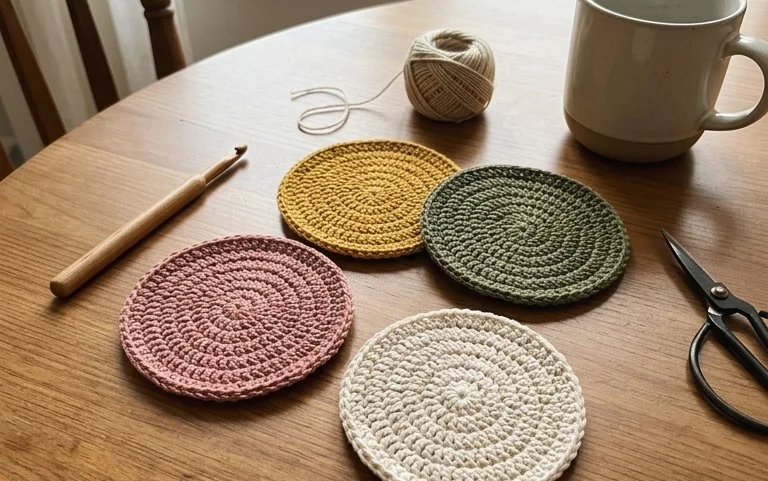
These cotton dishcloths have a dense, nubby texture that scrubs stubborn food from plates without scratching non-stick surfaces. If you are learning to crochet or simply want a relaxing project that yields a functional housewarming gift, this is a sensible choice. You will master the basic double crochet and chain stitch while building the rhythmic motion necessary for even tension. Creating something useful for the kitchen feels rewarding, especially when you finish a full set in just one quiet afternoon. This simple pattern creates a sturdy fabric that remains absorbent and soft after dozens of hot cycles in the laundry.
Why You’ll Love This Pattern
This classic crochet dishcloth works up quickly using basic stitches, making it a perfect project for polishing your tension or working through leftover yarn scraps. The textured stitch pattern is highly absorbent, which adds utility to your kitchen sink beyond simple aesthetic appeal. Because it uses a simple two-row repeat, you can easily memorize the sequence while watching television or listening to an audiobook. Each cloth finishes in under an hour, so you can produce a set of three as a thoughtful, handmade housewarming gift in a single afternoon.
I managed to finish a full set of these for my kitchen in just one weekend. The texture really holds onto soap well and they survive the washing machine perfectly.
— Sarah, home crafter
Pattern Overview & Skill Level
- Skill Level: Beginner
- Approximate Time: 45 to 60 minutes per dishcloth
- Construction: Worked in flat rows
- Finished Dimensions: 8 inches by 8 inches
Materials & Supplies Needed
- Yarn: Worsted weight (#4) 100% cotton yarn, approximately 60 yards per cloth. Cotton is essential for its high absorbency and heat resistance.
- Hook Size: 5.0 mm (US H-8) crochet hook.
- Notions: Tapestry needle for weaving in ends and scissors.
- Yarn Substitutions: You can use a cotton-linen blend for increased durability, though this may result in a slightly stiffer fabric. Avoid acrylic yarns, as they are not absorbent and will not withstand frequent high-temperature washing.
Stitch Guide & Abbreviations (US Terms)
- ch: chain
- sc: single crochet
- dc: double crochet
- st(s): stitch(es)
- RS: right side
- WS: wrong side
- Moss Stitch: A combination of single crochet and chain stitches where the single crochet is worked into the chain space of the previous row.
Step-by-Step Pattern Instructions
Dishcloth Base
The texture of this dishcloth is achieved by alternating single crochet and double crochet stitches, creating a dense but flexible fabric.
- Row 1: Chain 30. Sc in the 2nd ch from the hook and in each ch across. (29 sts)
- Row 2: Ch 1, turn. Sc in the first st, dc in the next st. Repeat (sc, dc) across until 1 st remains, sc in the last st. (29 sts)
- Row 3: Ch 1, turn. Sc in the first st, dc in the next st. Repeat (sc, dc) across until 1 st remains, sc in the last st. (29 sts)
- Rows 4–30: Repeat Row 3 until the piece measures 8 inches square.
Finishing
After completing Row 30, fasten off the yarn, leaving a 6-inch tail. Use the tapestry needle to weave the end back and forth through the base of the final row to secure it. Trim any excess yarn close to the fabric surface. If desired, you can add a single crochet border around the perimeter by working 3 sc into each corner and 1 sc in every row-end, though this is optional for structural integrity.
Care & Washing Instructions
- Machine wash in warm water (up to 104 degrees Fahrenheit) with similar colors to prevent dye bleeding.
- Tumble dry on low heat or lay flat on a clean towel to maintain the shape of the square.
- If the cloth loses its shape after drying, dampen it lightly and stretch it gently on a flat surface to block it back into a square.
Pro Tips & Common Mistakes to Avoid
Consistent tension is vital for a dishcloth. If your stitches are too tight, the fabric will become stiff and lose its ability to clean effectively. Use a stitch marker on the first stitch of every row to ensure you do not accidentally drop stitches at the edges, which is the most common reason for a dishcloth becoming a trapezoid instead of a square. When weaving in your ends, run the needle through at least three inches of fabric in two different directions to ensure the yarn does not pull out during heavy-duty scrubbing. You can easily adjust the size of this cloth by adding or subtracting chains in multiples of two; note that a larger size will require additional yardage beyond the stated 60 yards.
Frequently Asked Questions
Can I use a larger hook size than recommended?
Using a larger hook will make the fabric looser and potentially less durable. Stick to the 5.0 mm hook for a dense, functional fabric that holds its shape over time.
Is this pattern suitable for complete beginners?
Yes, this is an ideal starter project. It uses only two basic stitches and requires no complex shaping, increases, or decreases.
Can I sell the finished dishcloths I make from this pattern?
You are welcome to sell items made from this pattern, provided you credit the design. Always include your own photographs rather than using the pattern images.
How do I keep the edges straight while crocheting?
Count your stitches at the end of every row. If you start with 29 stitches, you must end with 29 stitches. Always count the first and last stitch of the row to ensure they are properly worked.
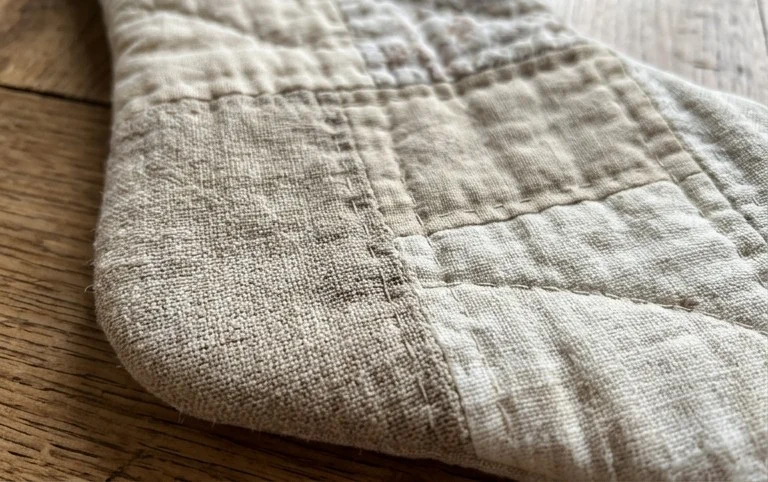
This simple cloth feels wonderful to use in the kitchen, and it holds up remarkably well against daily wear. You might consider using a variegated cotton yarn for the next set to see how the color changes pop against the raised texture of the stitches. If you decide to crochet a few of these, please tag your photos so I can see which color combinations you chose. Browse the rest of the blog for more beginner patterns that help you build your collection of handmade household essentials.